In recent years, there’s been a surge in popularity for a sport that combines elements of tennis, badminton, and ping pong. That sport is pickleball, and it’s capturing the hearts of both young and old, athletes and beginners alike. In this blog, we’ll explore the fascinating world of pickleball, its origins, rules, equipment, and why it’s become such a sensation.
The Origins of Pickleball
Pickleball has a rather unusual origin story. It all began in 1965 when Joel Pritchard, a congressman from Washington State, and his friends Bill Bell and Barney McCallum decided to create a game to keep their families entertained during a summer weekend. They gathered some ping pong paddles, a perforated plastic ball, and marked out a badminton court in Pritchard’s backyard.
The game they invented was a fusion of elements from various sports, and they initially called it “Pickle Ball” after the dog of one of the players, whose name was Pickles. The name stuck, and thus, pickleball was born. It began as a fun family game but quickly spread through the local community and eventually across the United States and beyond.
Pickleball is a racquet sport played on a rectangular court with a net in the middle. The rules are relatively straightforward, making it accessible to players of all ages and skill levels.
Court: Pickleball courts are 20 feet wide and 44 feet long (the same size as a doubles badminton court). They are divided into two halves by a net.
Scoring: Pickleball uses a rally scoring system, meaning points can be scored by the serving or receiving team. Games are typically played to 11 or 15 points, and you must win by at least two points.
Serve: The serve must be underhand and diagonal, starting from the right-hand court. It must clear the net and land in the opposite diagonal court. After the serve, players can volley (hit the ball in the air) once it bounces in the receiving court.
Double Bounce Rule: One of the unique aspects of pickleball is the double bounce rule. After the serve, both teams must let the ball bounce once before volleying it. After that, it’s fair game to volley.
Kitchen Line: A 7-foot area from the net is known as the “kitchen” or “non-volley zone.” Players cannot volley the ball while standing in this area unless the ball has bounced there first.
Pickleball equipment is relatively simple, which adds to the sport’s accessibility:
Pickleball Paddle: These paddles are similar to oversized ping pong paddles, typically made of wood or composite materials.
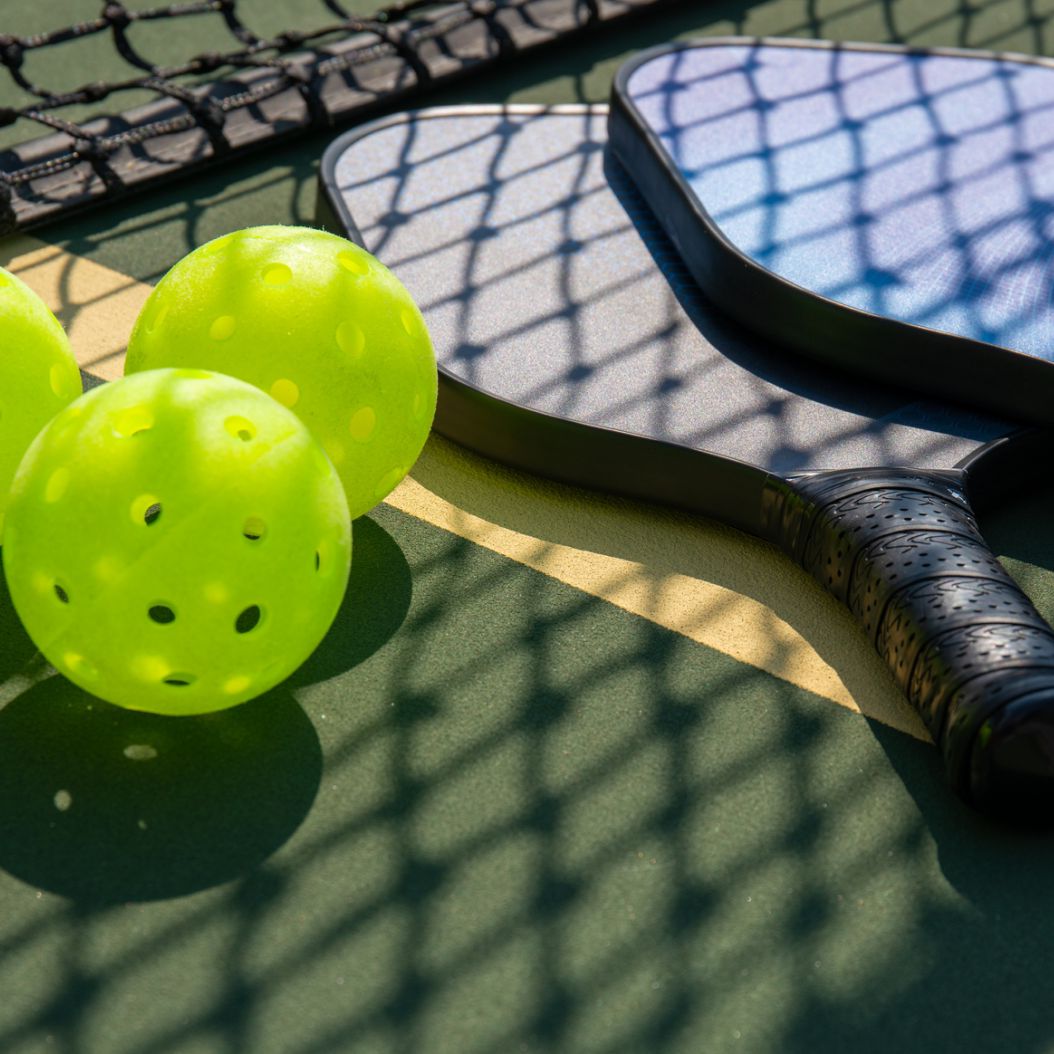
Pickleball: The ball used in pickleball is a perforated plastic ball, similar in size to a wiffle ball. It comes in different colors, with outdoor and indoor versions available.
Net and Court: You’ll need access to a pickleball court with a net set at the correct height, which is 34 inches at the center.
Why Pickleball is So Popular
Pickleball’s popularity can be attributed to several factors:
Accessibility: The rules and equipment are easy to understand and relatively affordable, making it accessible to people of all ages and skill levels.
Social Aspect: Pickleball is often played in doubles, creating a social and community atmosphere that fosters friendships and camaraderie.
Physical Activity: It provides a great cardiovascular workout and improves agility, balance, and coordination.
Inclusivity: Due to the sport’s slower pace, it’s less physically demanding than tennis, making it suitable for individuals with varying fitness levels.
Cross-Generational Appeal: Pickleball appeals to both younger players and older adults, bridging generational gaps.
Conclusion
Pickleball is more than just a game; it’s a rapidly growing sport that has found its place in the hearts of millions. Its origins as a casual backyard pastime have evolved into a competitive sport with national and international tournaments. Whether you’re a seasoned athlete or a complete beginner, pickleball offers an exciting way to stay active, make friends, and enjoy the thrill of competition. So grab your paddle, step onto the court, and experience the joy of pickleball for yourself.
Tennis, often dubbed the “sport of a lifetime,” is an exhilarating and physically demanding game that requires skill, strategy, and endurance. While we often celebrate the intense rallies and powerful serves, what goes on behind the scenes, in terms of recovery, is just as crucial for success on the court. In this blog post, we’ll explore the significance of recovery in tennis and why it should be an integral part of every player’s game plan.
The Physical Demands of Tennis
Tennis is a sport that demands a lot from its athletes. It involves explosive movements, such as sprinting to the net, rapid lateral movements, and powerful serves. These actions put immense strain on the muscles, joints, and cardiovascular system. Players may find themselves on the court for hours at a time, battling not only their opponents but also the elements. These physical demands can take a toll on the body, leading to fatigue and the risk of injuries.
The Importance of Recovery
Recovery in tennis encompasses a range of strategies and practices that allow players to rejuvenate their bodies and minds after intense training sessions and matches. Here’s why it’s so crucial:
Injury Prevention: Tennis is notorious for causing injuries, especially overuse injuries like tennis elbow or stress fractures. Proper recovery, including rest, stretching, and massage, helps prevent these injuries from occurring.
Muscle Repair and Growth: Tennis involves repetitive and strenuous muscle contractions. Adequate recovery time allows muscles to repair and grow stronger, improving performance and reducing the risk of muscle imbalances.
Mental Refreshment: Tennis is as much a mental game as it is physical. Recovery provides players with the opportunity to clear their minds, reduce stress, and regain focus, leading to better decision-making on the court.
Sustained Energy Levels: Tennis matches can be grueling, lasting for hours under the hot sun. Recovery strategies like proper hydration and nutrition help maintain energy levels throughout a match.
Effective Recovery Strategies
Now that we understand the importance of recovery in tennis, let’s explore some effective strategies that players can incorporate into their routines:
Rest: Adequate sleep is paramount. It’s during sleep that the body repairs and regenerates tissues, making it crucial for performance and injury prevention.
Nutrition: Proper fueling is key. A balanced diet rich in carbohydrates, proteins, and healthy fats ensures that the body has the energy and nutrients it needs to perform at its best.
Hydration: Staying hydrated is essential to prevent cramps and maintain focus. Drink plenty of water and consider electrolyte-replenishing drinks for intense matches.
Stretching and Mobility Work: Incorporate stretching and mobility exercises into your routine to improve flexibility and prevent muscle imbalances.
Massage and Foam Rolling: These techniques help alleviate muscle soreness and tightness, enhancing recovery.
Ice Baths and Contrast Therapy: Alternating between hot and cold treatments can reduce inflammation and promote blood circulation, aiding in recovery.
Mental Recovery: Engage in relaxation techniques such as meditation or visualization to calm the mind and improve mental resilience.
More on Cold Plunge/Ice Bath Recovery
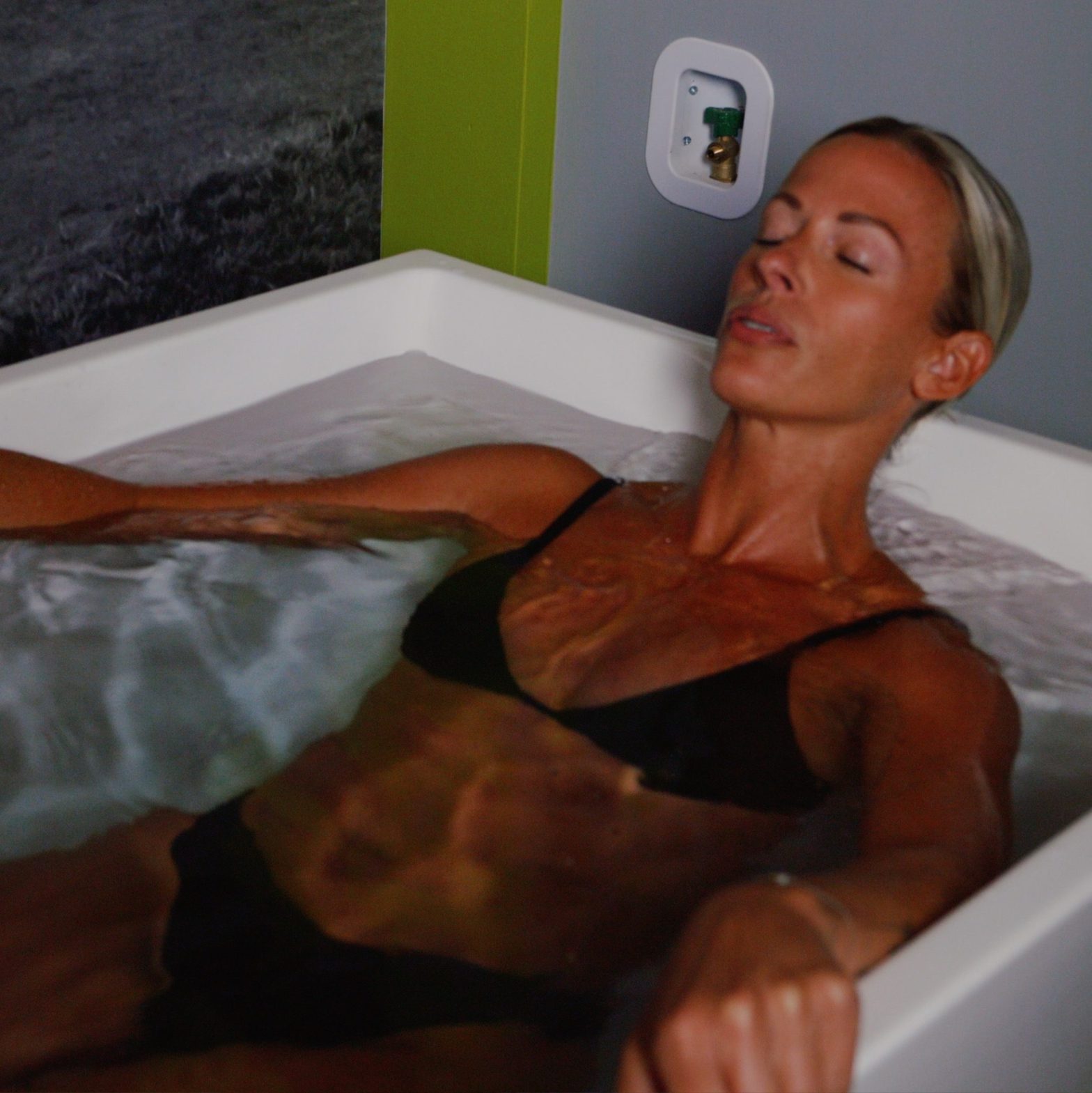
Cold plunge or ice bath therapy is a popular recovery technique among elite athletes, including tennis players. This practice involves immersing the body in ice-cold water for a short period, usually around 10-15 minutes, immediately following intense training sessions or matches. While the idea of submerging yourself in icy water may seem daunting, the benefits it offers make it a valuable addition to a tennis player’s recovery toolkit:
Reduced Inflammation: Cold water immersion constricts blood vessels, which can help reduce inflammation and swelling in muscles and joints. This is particularly beneficial after strenuous activity, as it can speed up the recovery process.
Pain Relief: The numbing effect of the cold water can provide immediate pain relief, making it easier for players to address any minor aches or soreness.
Improved Circulation: Alternating between cold water and warm-up exercises in a contrast bath can stimulate circulation, flushing out metabolic waste products and enhancing nutrient delivery to tired muscles.
Faster Recovery: Cold immersion can accelerate the removal of lactic acid from muscles, potentially reducing muscle stiffness and soreness, which can be particularly advantageous during tournaments with back-to-back matches.
Mental Freshness: The shock of cold water can also provide a mental boost, helping players feel more awake and alert after a grueling match or practice session.
When incorporating cold plunge or ice bath therapy into your tennis recovery routine, it’s essential to follow some best practices:
Timing: Use ice baths immediately after intense physical activity, as the benefits are most significant when the body is still warm.
Duration: Keep the duration relatively short, typically between 10-15 minutes. Prolonged exposure to cold water can lead to excessive shivering and discomfort.
Hydration: Be sure to stay hydrated before, during, and after the ice bath, as cold water immersion can cause a drop in body temperature and potentially increase dehydration.
Gradual Adaptation: If you’re new to cold baths, start with shorter sessions and gradually increase the duration as your body becomes accustomed to the cold.
Incorporating cold plunge or ice baths into your tennis recovery regimen can be an effective way to enhance your overall recovery, reduce the risk of injury, and keep you performing at your best on the court. While it may not be the most comfortable experience, the benefits it offers are well worth the temporary chill. Remember, recovery is just as crucial as training in the world of tennis, and cold plunge therapy can be a game-changer in your pursuit of excellence.
Conclusion
In the fast-paced world of tennis, recovery is not a luxury; it’s a necessity. It plays a pivotal role in preventing injuries, maintaining peak performance, and ensuring that players can continue enjoying the sport they love for years to come. So, the next time you step onto the court, remember that the ace of recovery is just as important as the power of your serve. Incorporate these recovery strategies into your tennis routine, and you’ll be better equipped to conquer the challenges of the game while staying injury-free and mentally sharp.
Ben Shelton: A Rising Star with a Thunderous Serve
In the world of tennis, the name Ben Shelton has been making headlines and capturing the imagination of fans worldwide. This 20-year-old American tennis sensation has been making waves at the US Open, defying expectations and earning a place in the tournament semifinals. What’s even more astonishing is that he only recently cracked the top 50 in the world rankings. Let’s take a closer look at this rising star who is rapidly becoming a household name.
Youthful Vigor and Explosive Serve
Born on October 9, 2002, Ben Shelton is undeniably young, and his youth is an asset on the tennis court. His agility allows him to glide across the court effortlessly, while his serve is nothing short of explosive. This extraordinary power comes from a combination of adrenaline and youthful exuberance, making his serves a force to be reckoned with. Ben Shelton hails from Atlanta, a city that offers ideal conditions for year-round tennis with its sweltering heat. Growing up in Atlanta, he had ample opportunities to develop his tennis skills. However, he now calls Gainesville, Florida, home, where he continues to train and evolve as a player. Tennis runs in Ben Shelton’s blood. His mother, Lisa, was a highly touted junior player, while his father, Bryan, enjoyed a modest career as a professional player on the ATP Tour. Bryan Shelton’s influence on his son’s career has been significant. Not only was he Ben’s idol, but he also served as his coach, a role he continues to hold. Bryan Shelton found tremendous success as a coach, notably leading Georgia Tech’s women’s tennis team to an NCAA championship in 2007. He later took the helm of Florida’s men’s tennis program, guiding them to a national championship in 2021. The father-son duo enjoyed great success in collegiate tennis, with Ben excelling as a player. However, when Ben decided to turn pro, Bryan followed suit and transitioned from coaching to being Ben’s official playing coach.
Collegiate Stardom
Ben Shelton’s college career was nothing short of spectacular. Playing for his father’s team at the University of Florida, he displayed immense promise. His left-handed playing style was both elegant and powerful, earning him accolades such as the 2021 national champion, No. 1 singles player in the country, and National Player of the Year. He even secured the championship-clinching match that led the Gators to their long-awaited title victory. Despite his collegiate success, Ben chose to focus full-time on professional tennis after a standout performance at the Cincinnati Masters last year.
The Thunderous Serve
One of Ben Shelton’s most remarkable attributes on the court is his serve. It’s like a lightning bolt, delivering blistering speeds that consistently challenge his opponents. His fastest serve at this year’s US Open reached an astounding 149 mph. To put this into perspective, it ranks among the fastest serves in the history of the tournament, with only a few players like John Isner and Andy Roddick reaching higher speeds. In a post-match interview, Shelton attributed his incredible serve to adrenaline, saying, “Any other atmosphere, I don’t think I could get it done. I think my arm might fall off.” His serve’s speed and accuracy make it a formidable weapon, leaving his opponents scrambling to react. As Ben Shelton faces the biggest test of his career against the 23-time grand slam champion Novak Djokovic, the tennis world eagerly anticipates whether this rising star can continue his meteoric ascent. With his youthful energy, powerful serve, and a supportive tennis lineage, Ben Shelton is poised to become a major force in the world of tennis, joining the ranks of elite American talents like Frances Tiafoe and Taylor Fritz.
Balanced Training Regimen
Ben Shelton’s journey to tennis stardom was marked by a balanced and well-rounded training regimen. Instead of narrowing his focus on a single aspect of the game, he chose to embrace the entirety of tennis. He worked tirelessly on both his singles and doubles play, ensuring that he was proficient in all facets of the sport. This comprehensive approach not only made him a versatile player but also helped him avoid the pitfalls of early specialization. By maintaining a balanced training routine, Ben reduced the risk of overuse injuries that often plague young athletes who specialize too early. His body was more resilient and better equipped to handle the physical demands of professional tennis. This decision to diversify his training was instrumental in his journey to becoming a tennis sensation. Ben Shelton’s story demonstrates that a versatile approach to training can be a pathway to success in sports. By refusing to pigeonhole himself into a single playing style or strategy, he developed a deep understanding of the game and the ability to adapt to various situations on the court. This versatility has been a key factor in his remarkable rise through the ranks of professional tennis, serving as an inspiring example for young athletes who are considering their own paths to success.
Improving endurance for tennis requires a combination of physical conditioning, proper training techniques, and strategic planning. Tennis is a demanding sport that requires both aerobic and anaerobic fitness, as well as agility, speed, and mental focus. Here are some key insights to help you enhance your endurance for tennis:
Tennis has evolved into a highly physical sport due to factors such as increased participation at a young age, advancements in equipment technology, and heightened focus on fitness. This has led to a greater emphasis on physical conditioning as an integral part of playing the game effectively. Tennis demands a unique blend of attributes including strength, stamina, flexibility, hand-eye coordination, and mental fortitude. Excelling in all these areas equally is challenging, which underscores the complexity of the sport. Natural talent, technique, tactics, and physical fitness collectively contribute to becoming a successful tennis player.
While playing tennis is essential for skill development, off-court training is equally crucial to enhance specific aspects of performance. While individual lessons can improve technical and tactical skills, strength training, endurance training, and well-structured workout plans play a pivotal role in enhancing physicality and stamina. Improving all areas of your tennis game simultaneously is impractical. Focusing on controllable aspects that yield rapid results is more effective. Fitness, particularly endurance, stands out as one of the most impactful areas to improve, positively influencing various aspects of your tennis performance.
Endurance on the tennis court facilitates retrieving more balls, maintaining mental clarity throughout matches, enhancing cardiovascular health, and overall enjoyment of the sport. Endurance enables you to outlast opponents, consistently engage in rallies, and maintain a high level of performance even as matches progress. The level of fitness needed for tennis varies based on factors such as playing frequency and style. Recreational players who engage in doubles occasionally may not require as much fitness emphasis. However, even infrequent players can benefit from improved fitness. More frequent and intense sessions demand higher fitness levels for consistent performance.
Tennis demands a combination of strength, stamina (endurance), and flexibility. Strong muscles aid force generation during shots, while flexibility enhances biomechanical movements. Endurance training involves a blend of slow twitch muscle endurance and fast twitch explosive movements, critical for the sport’s dynamic nature. Improving endurance for tennis involves combining training that enhances strength, agility, flexibility, hand-eye coordination, and includes tennis-specific movements. Key areas to focus on include:
Cardiovascular Fitness: Regular exercise that raises your heart rate improves heart health and endurance. Engaging in activities like brisk walking, jogging, swimming, or cycling boosts blood circulation and prepares your body for sustained performance on the court.
HIIT (High Intensity Interval Training): HIIT involves short bursts of intense exercises followed by rest periods. This mirrors the stop-and-start nature of tennis, building stamina for rapid movements and high-intensity rallies.
Tennis-Specific Movements: Practicing tennis-specific footwork patterns like cross-overs, split steps, diagonal movements, and lunges readies your body for the precise movements required during matches.
Diet and Sleep: A balanced diet rich in protein, complex carbohydrates, and vegetables provides the energy needed for training and matches. Prioritizing quality sleep (at least 8 hours) facilitates muscle repair, cognitive function, and overall recovery.
Improving endurance for tennis requires a holistic approach that aligns cardiovascular fitness, interval training, tennis-specific movements, proper nutrition, and sufficient sleep. Striking a balance between explosive movements, flexibility, and cardiovascular health ensures you’re well-equipped to excel on the tennis court and maintain a competitive edge over extended periods of play.
The age-old debate surrounding the benefits of stretching before physical activity continues to puzzle fitness enthusiasts and athletes alike. Should you stretch before a workout, or is it better to dive right in? In this exploration of the stretching dilemma, we’ll unravel the myths, offer scientific insights, and provide a comprehensive guide to help you make an informed decision about incorporating stretching into your fitness routine.
Traditionally, static stretching—where you hold a muscle in a lengthened position for a period—was believed to be a prerequisite for preventing injuries and improving performance. However, recent research suggests that static stretching prior to high-intensity activities might temporarily decrease muscle strength and power. Save static stretches for post-workout when muscles are warmed up. Dynamic stretching, involving active movements that mimic the exercise you’re about to perform, is gaining popularity for its potential benefits. This type of stretching can increase blood flow, enhance joint mobility, and activate muscles specific to your workout, thereby improving performance and reducing the risk of injury.
One common misconception is that stretching and warming up are the same. In reality, warming up involves gradually increasing your heart rate and blood flow through light aerobic activities, while stretching aims to improve flexibility. Combining both approaches may provide the best preparation for physical exertion. Post-exercise stretching, especially static stretches, can aid in reducing muscle soreness and enhancing flexibility. After your workout, when your muscles are warm, holding stretches can contribute to improved muscle recovery and overall flexibility. For those seeking a mind-body connection along with flexibility, practices like yoga provide an ideal balance. Yoga incorporates dynamic and static stretches, promoting physical health while cultivating mental well-being.
The golden rule in the stretching dilemma is to listen to your body. Everyone’s body is different, and individual needs and preferences should be respected. If you find that stretching enhances your performance, reduces discomfort, and helps you feel more prepared for exercise, then it might be the right choice for you. Fitness experts often recommend a hybrid approach—combining dynamic stretching with a light warm-up—for the best of both worlds. This approach can elevate heart rate, improve blood flow, and prepare your muscles for the workout ahead. Beyond the realm of athletic performance, maintaining flexibility is crucial for everyday activities and overall health. Incorporating regular stretching routines can contribute to better posture, reduced muscle tension, and improved joint mobility.
The decision to stretch or not to stretch ultimately depends on your fitness goals, workout type, and personal preferences. While static stretching before intense activities might not be the best choice, dynamic stretching and post-workout static stretches have their merits. A balanced approach that includes dynamic warm-ups, targeted stretches, and individualized considerations is key. Remember, the ultimate goal is to support your body’s health, performance, and well-being. Whether you choose to stretch or not, making informed decisions about your stretching routine will lead you towards a more effective and enjoyable fitness journey.
In the world of sports, where talent and physical prowess are highly valued, it is easy to overlook the critical role of the mind. Sport psychology, however, has emerged as the sought after skill that separates good athletes from the great ones. In recent years, there has been a growing emphasis on training the mind, and many professional athletes and teams openly acknowledge the use of sport psychology to enhance their performance. From tennis sensation Iga Swiatek to various MLB, NBA, and NFL teams, sport psychology is becoming an integral part of training for peak athletic performance.
FM Tennis Mental Performance Coach, Nicole Erickson
While sport psychology may seem like a recent phenomenon, it has actually been around since the 1920s. However, its rapid growth in recent years can be attributed to multiple factors, including a greater acceptance of mental health and a search for new resources to achieve excellence in sports. Regardless of the driving force behind its growth, the bottom line is that sport psychology is gaining popularity and proving to be a game-changer for athletes seeking to optimize their performance. Sport psychology, at its core, is the scientific study of people and their behaviors in sports, combined with the practical application of that knowledge. It involves evidence based approaches and strategies that have been refined through years of research. In essence, it is a powerful tool that equips athletes with the mental skills needed to excel in their respective sports.
Collaborating with a sport psychology consultant can provide athletes with a host of advantages. By training their minds, athletes can enhance their ability to handle pressure and maintain composure during crucial moments. They learn how to reset their focus after making mistakes and effectively manage worries and doubts. The result? Consistency in performance and the ability to bring one’s A game on the big day. Sport psychologists and consultants act as coaches who help athletes shed doubts and trust in their abilities. By honing their mental skills, athletes find that their mental toughness complements their physical abilities, leading to better results on the field or court. The frustration of underperforming due to mental barriers gives way to confidence and belief in one’s capabilities. The investment in mental training yields significant returns for athletes. With a well trained mind, athletes can rediscover the joy of their sport, free from excessive worry or self doubt. They gain the ability to trust themselves, resulting in consistent and remarkable performances that align with their training efforts.
Sport psychology has emerged as an indispensable tool for athletes looking to gain a competitive edge. By focusing on mental training, athletes can unlock their full potential and elevate their performances to new heights. As the acceptance of mental health in sports continues to grow, the importance of sport psychology is set to soar even higher. Embracing mental training enables athletes to embrace their sport with newfound confidence and trust in themselves, setting the stage for success both on and off the field. So, for athletes seeking to conquer the challenges of high stakes competition and achieve greatness, the key lies in harnessing the power of sport psychology and reaping its countless benefits.
Carlos Alcaraz’s remarkable journey to becoming the youngest player ranked number one in the world is a testament to the power of hard work and perseverance. In a candid interview with ATP Tour, Alcaraz emphasized that success doesn’t come easily, and one must be willing to endure the trials and tribulations on the road to greatness. As a 19-year-old who achieved incredible milestones, Alcaraz’s acknowledgment of the challenges he faced before attaining success sheds light on the reality that the journey isn’t always smooth sailing. This blog explores the importance of hard work, the role of sport psychology, and the significance of embracing both failures and triumphs in the pursuit of athletic excellence.
The Value of Hard Work and Self-Belief
Carlos Alcaraz’s belief in the need for hard work and his unwavering dedication to his sport serve as inspiring lessons for aspiring athletes. Despite the accolades he has earned, Alcaraz humbly shares that there were no shortcuts on his path to success. Emphasizing the importance of perseverance and self-belief, he exemplifies that even the most talented individuals must put in the effort to achieve greatness. Alcaraz’s journey serves as a reminder that the world of sports isn’t always a bed of roses. The pursuit of excellence comes with its fair share of setbacks and challenges. In a society that often glorifies instant success, Alcaraz’s story underscores the importance of understanding and accepting that progress requires time, effort, and resilience.
The Role of Sport Psychology
Sport psychology plays a pivotal role in shaping an athlete’s mindset and approach to both victories and defeats. Coaches, sport psychologists, and athletes themselves must recognize that striving for perfection at all times is unrealistic. Instead, fostering a balanced focus on the process allows athletes to build a stronger foundation for consistent performance and personal growth. The way athletes react to wins and losses can significantly impact their performance and mental well-being. Understanding the implications of immediate and long-term reactions, as well as the language conveyed through body language, can help athletes better manage their emotions and maintain focus on continuous improvement.
Balancing Results and Process
While the ultimate goal in sports is often centered around winning, it is crucial to strike a balance between the desire for results and the commitment to the process. Acknowledging the value of dedicating time and effort to hone skills and techniques leads to greater overall growth and sustainable success. Failure, loss, and doubt are inevitable in sports. However, the ability to accept these challenges and view them as opportunities for learning is what sets exceptional athletes apart. Embracing failure with a resilient spirit allows athletes to keep pushing forward and eventually achieve their goals.
Conclusion
Carlos Alcaraz’s incredible journey from a young, aspiring player to the top of the tennis world is a powerful reminder of the importance of hard work, self-belief, and embracing both the highs and lows in sports. His story serves as an inspiration for athletes across the globe, encouraging them to remain dedicated to their craft and persevere through the inevitable obstacles. By focusing on the process and maintaining a resilient attitude, athletes can cultivate a winning mentality that extends far beyond the courts, fields, or tracks. Success in sports isn’t just about talent; it’s about the unwavering commitment to becoming the best version of oneself, no matter the challenges that lie ahead.
In April, the All England Club made the bold decision to ban all Russian and Belarusian players from this year’s Championships. As a counter measure, the ATP and WTA have removed ranking points from the this year’s event—effectively making it an exhibition. These factors make for a radically different Wimbledon draw, as five top 100 gentlemen and 10 top 100 ladies were banned. Most notably, world no. 1 Daniil Medvedev and world no. 6 Aryna Sabalenka have been relegated to the sidelines.
Between the void left by the absent Russians and loads of emerging young stars—not to mention several venerable grass court veterans lurking—the 2022 Wimbledon draw might be one of most compelling draws in decades. Let’s have some fun trying to predict the unpredictable:
ONS JABEUR BREAKS THROUGH
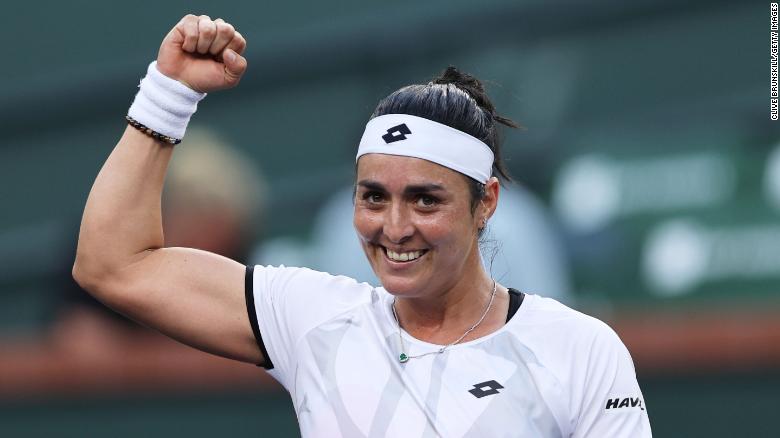
Photo credit: Clive Brunskill/Getty Images
Coming off a convincing title run in Berlin and some Eastbourne doubles fun with the GOAT, Jabeur is primed to become the first Arab player to win a Grand Slam. She’ll have to defeat a red hot Iga Swiatek to make history—but after toppling her last year in the Round of 16, why not this year in the Championship match?
Additionally, expect last year’s run to the Quarterfinals to provide her with a boost in the big moments. Former Champion Angelique Kerber is the biggest obstacle in her quarter. If she can get past Kerber, she should have the confidence and the momentum to go all the way.
Swiatek’s half of the draw is more challenging than Jabeur’s—she’ll have to fight off four former champions and last year’s finalist, Karoline Pliskova.
THE KOKK BEATS THE DJOK
Photo credit: Dean Lewis/EPA
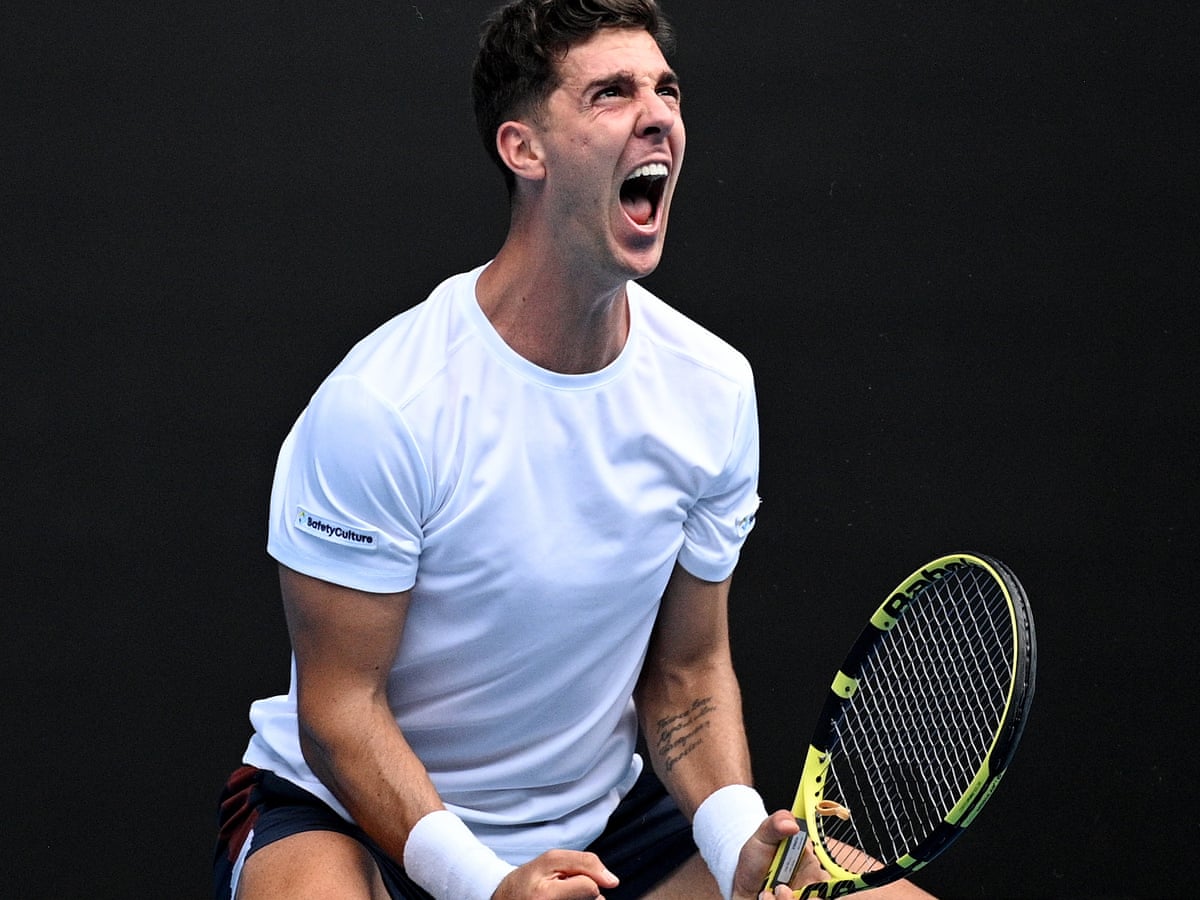
Sure, Kokkinakis didn’t have the best results at a grass court Challenger in Surbiton—losing to a player no one’s ever heard of—but one tournament match is better than zero. That’s the total the number of matches Djokovic has played since his loss to Nadal at the French. Thus far, Djokovic’s 2022 season hasn’t been too spectacular by his standards. And the 20-time Grand Slam champ has seemingly been embroiled in controversy since ‘Nam, culminating with his famous melt down behind his towel at the 2021 US Open.
Kokkinakis is a talented and fearless player with several big wins under his belt. If his serve and forehand are clicking, he’s a dangerous man. Assuming both players gets past their first round opponents, the Djoker could be headed for an early exit against the Kokker.
ENGLAND’S DARLING EMMA GOES DOWN EARLY
Photo Credit: Getty Images
Emma Raducanu shot into the stratosphere of super stardom after an incredible run at the 2021 US Open, but since then she’s fallen back down to earth. Curious coaching changes and a penchant for playing pitch-woman have led to disappointing results at the 2022’s first two slams. It’s possible that setting foot back on home soil might spark some inspiration, but she’s also have to battling a nagging side strain.
I think it’s unlikely that the British media darling makes the second week. In my opinion, she’ll do well to escape her first round contest with Alison Van Uytvanck.
ANDY GOES DEEP
Photo credit: Getty Images
After undergoing hip resurfacing surgery, it’s clear Andy Murray hasn’t been the same dominant player he used to be, but a nice run to the Stuttgart final has given his fans some hope. Murray’s taken every measure to prepare himself for one final run at his beloved Wimbledon—he’s hired old coach, Ivan Lendl, and skipped the French to get more time on grass. Murray reluctantly had to withdraw from Queen’s Club, citing an abdominal strain, but he’s forging ahead to Wimbledon with every intent of winning the whole f-in’ thing!
Andy’s also pledged to donate his winnings to the victims of the war in Ukraine. I believe Murray has enough experience, willpower, and good karma to make the second week—and hopefully beyond. Give ’em ‘ell Andy!
In 2020, I wrote a blog entitled “13 Reasons Why Rafa has 13 French Opens.” In a simple one sentence conclusion, I wrote, “Something tells me by this time next year, I better have a 14th reason up my sleeve.” I might’ve been off by a year with my prediction, butas the French say, c’est la vie. While many pundits had tabbed his heir apparent, Carlos Alcaraz, to win the 2022 French Open, Rafael Nadal said, “hold your horses, young conquistador.”
In an age-defying display of skill and grit, Rafael Nadal proved once again why he’s the King of Clay. Even whilst plagued by multiple maladies, Nadal dispatched young Norwegian Casper Ruud in straight sets to secure title number 14.
After collecting his 14th Coupe des Mousquetaires on Sunday, his cache of titles dwarfs the smooth Swede’s stockpile of six. Here are 14 reasons why he’s accumulated so many damn titles:
14. Effective Net Play
It’s impossible to come to the net effectively in today’s modern game, right? Especially on red clay, where the bounce is slower than on grass or hard, ¿verdad? Judging by Rafa’s strategy at the French, he’d say, “¡INCORRECTO!”
Rafa bested his opponents’ in efficiency at the net in all but one match—his third round match against Van De Zandschulp—where they each won 13 out of 20 net points. On average, Rafa managed a winning percentage at the net that exceeded his opponents’ by a margin of 17.2%. Over the course of the tournament, Rafa won 71.42% of his net points. Considering winning 52% of your total points is the goal, I’d say Rafa was doing OK when he came forward.
13. Tenacity
Nadal never surrenders. He’s tenacious. He’s the definition of dirtballer. The Spanish System’s mantra is to embrace suffering—and no one embodies that better than Nadal.
12. Longevity
Nadal’s professional career started at 15 in 2001. Still in prime shape at 34, Rafa dispatched Djokovic in straight sets—leaving him befuddled and without an answer. Many pundits predicted that due to his grueling style of play, Rafa’s career would be cut short by injuries. Welp, it looks like they were wrong.
Federer and Nadal in 2005. These guys have been at the top forever. Photo Credit: Getty Images
11. Stability
Nope, not core stability—although he’s got that too—but emotional stability garnered from sticking to routines, surrounding himself with loyal and supportive friends and family, and spending quality time at his beloved island home of Mallorca.
We might all collectively snicker when Nadal lines up his water bottles just so, incessantly picks at his wedgie, scampers around and leaps like a frightened field rabbit after the coin toss, or jumps like a kangaroo in the stadium’s underbelly—but these routines bring him comfort and provide stability.
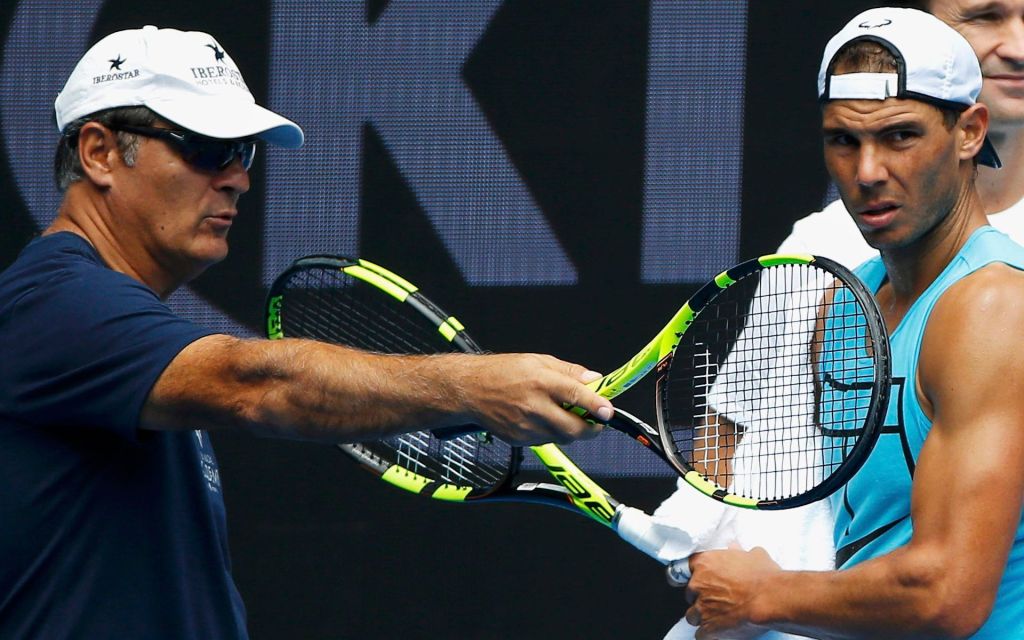
Uncle Toni Nadal coaching Rafa. Photo Credit: Reuters
Rafa’s Uncle Toni was a stalwart in the player’s box for so many years—coaching Nadal from childhood until eventual retirement in 2017. On the surface, the hiring of former World No. 1 Carlos Moya to replace Uncle Toni, might seem to be yet another trendy superstar coach hire, but upon further review, it fits the typical Nadal pattern. The fellow Mallorcans have had a relationship that spans two decades—Moya serving as a mentor during Rafa’s youth. An overwhelming percentage of Nadal’s team are hometown hires—think of Nadal as tennis’ version of Vinny Chase.
Fellow Mallorcans Carlos Moya and Rafael Nadal, when Rafa was a teenager.
10. Insane Fitness Level
While we’ve witnessed an injury hampered Nadal at the French, do you recall seeing a cramping Nadal, a fatigued Nadal, or even an out-of-breath Nadal?
If Nadal took the Dominic Thiem route and showcased his workouts on IG, we’d all collectively puke—right before we resume our search efforts for the next cute cat video.
Does Nadal’s humility—or his desire for privacy—prevent him from publishing his grueling workouts for the whole world to see on social media? It shall remain one of life’s many unsolved mysteries…
9. Groundstroke Height Over the Net
Rafa averages 90 inches of net clearance with his groundstrokes—and, yes gentlemen, height matters. By comparison, Nadal hits over two feet higher than his adversary Djokovic, who averages 63 inches. The RPMs he generates allows him to hit with such dramatic height while still keeping the ball inside the lines.
The higher trajectory helps him hit with depth and produces a higher bounce. It is with these high, arcing groundstrokes that Nadal pins his opponents back in a defensive position—both opening the court and giving him more time to attack.
8. RPMs
Nadal’s forehand has been clocked as high as 5,000 RPMs, while on average he hits 3,200 RPMs. The tremendous amount of topspin he produces is as perfect a weapon for Phillipe Chatrier as a cross-bow is for the impending zombie apolcalypse.
Racquet geeks might belabor the importance of Nadal’s Babolat Aero Pro Drive, or his aptly named polyester strings—the 15 gauge Babolat RPM Blast—but without his explosive technique, all the fancy-schmancy equipment in the world would be as useful as a chocolate fire-guard.
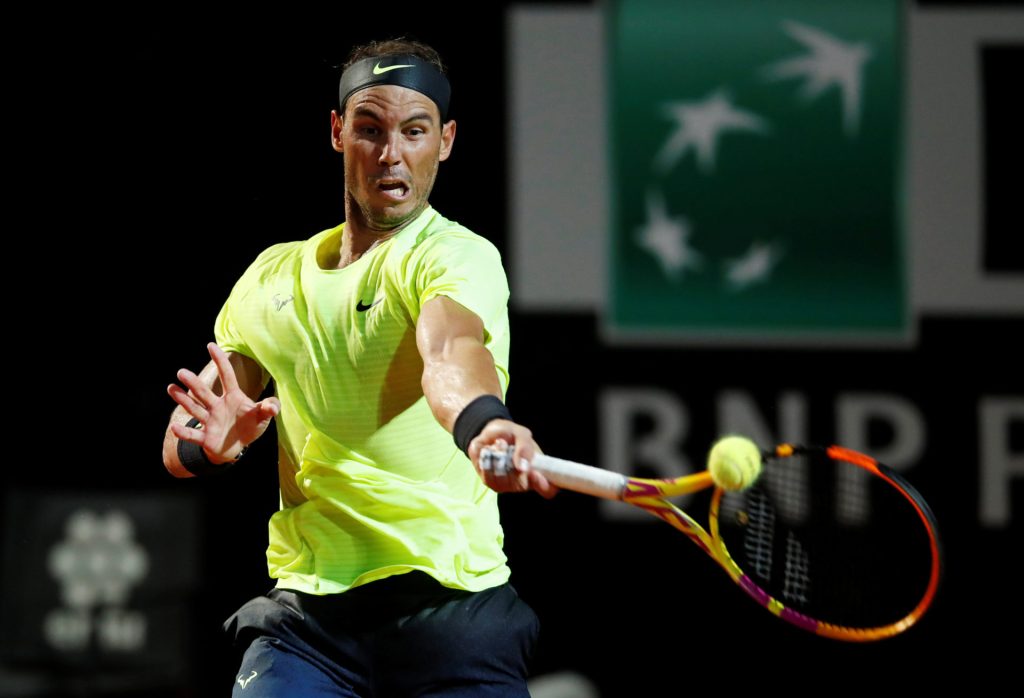
Nadal hitting a powerful topspin forehand . Credit: REUTERS/Clive Brunskill
On both the forehand and backhand, Rafa’s ridiculous acceleration originates from his powerful lower body, is stabilized by his rock-solid core, and then culminates with the crack of his long and loose whip-like arm(s). On the forehand, he drops the racquet head over two feet below the incoming ball—while most amateur players struggle to get two inches below the ball!
7. Performance Under Pressure
Pressure is arguably at its highest in tennis during tiebreaks and deciding sets. Nadal’s performance in both at the French is impeccable. With a match record at the French Open of 100-2, it might be super obvious that he’s won a high percentage of tiebreakers and deciding sets, but in these key moments, Nadal’s clutchness has been the difference between winning and losing.
6. The Lefty Slice Serve
Rafael Nadal using his lefty serve to take control of the point early. Credit: Daniel Bockwoldt/AP)
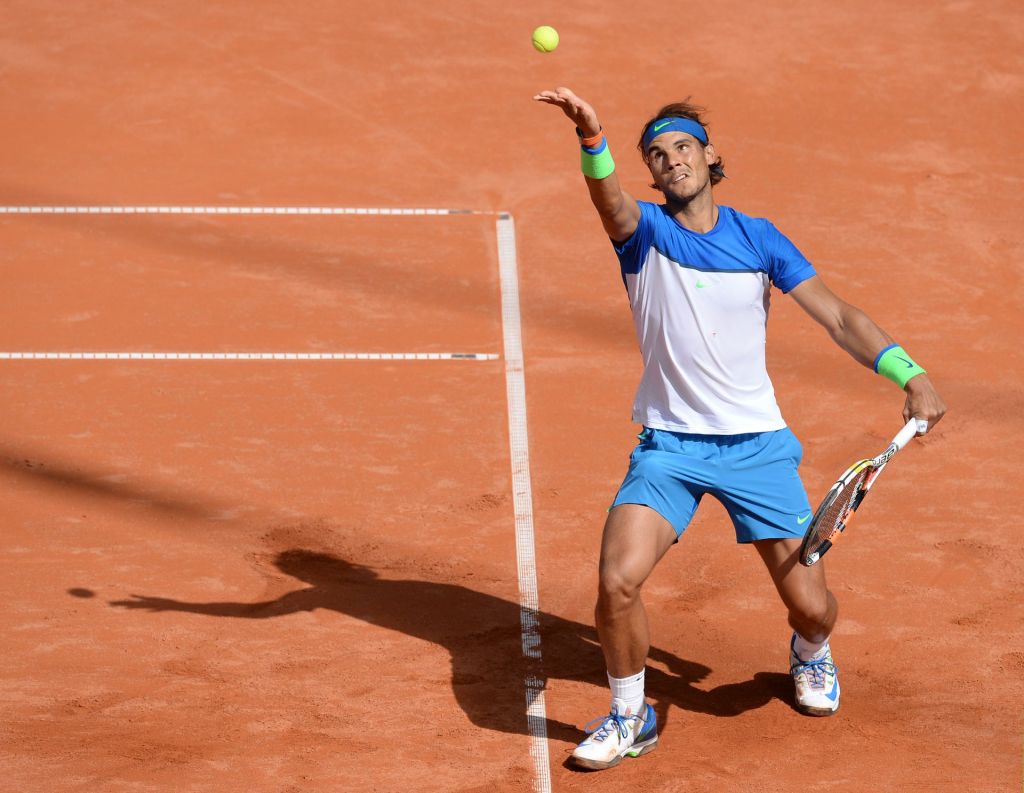
Nadal is not known for dropping double digit aces, but his lefty advantage on the serve continually sets him up for success.
Both his slice serve out wide on the ad court and down-the-T on the deuce side target his right-handed opponents’ backhands. The deuce court serve funnels his opponents’ returns to the middle, while the the ad court serve pulls his opponents completely off the court.
In both situations, Nadal’s serve sets up his punishing forehand 79% of the time. On clay, Nadal executes what tennis tactician Craig O’Shannessy calls , “serve plus one,” better than anyone.
5. The Lefty Forehand
Nadal’s leftyness also enhances the effectiveness of his cross court forehand. Nadal’s forehand is so ferocious, it would undoubtedly still be a weapon if he were right-handed—but considering his massive lefty forehand bounces up high to his right-handed opponents backhands—it makes it damn near unstoppable on clay.
This is where the courts of Roland Garros provide their biggest assist to Nadal: the limestone base material is actually harder than the rubberized hard courts of Australia or New York, which causes the ball to bounce higher, while the friction created by the two millimeter layer of crushed brick slows the speed of the ball down.
High and slow is the perfect recipe for a crosscourt topspin forehand like Nadal’s. His opponents—whether one-handed or two-handed—struggle to find an edge against it.
4. Deep Return Position
At the French, Nadal stands so far back to receive, that the ball boys can practically reach out and get his autograph.
Nadal gets up close and personal with the fans. Photo Credit: Craig O’Shannessy
This deep return position works for him so well for several reasons: he’s got the speed and endurance to pull it off, the serve and volley play is more difficult to execute on red clay (as if anyone serves and volleys anymore anyways), and of course his ability to crank topspin on both sides helps.
Nadal’s positioning gives him more time to take a big, loopy cut at the ball—and somehow all the way from Row 17, he can still hit it hard enough to take the offensive. His deep return position coupled with the clay court bounce, also makes it tough to sneak an ace past the Spaniard.
While it’s a strategy that pays off for him on the clay, only three weeks later at Wimbledon, you’ll notice him standing much closer to the baseline.
3. Break Point Escape Artist
Nadal saves break points at a clip of 70% at the French. Not only does saving break points at this rate help Nadal for the obvious reasons, it also has what you might call a Sisyphus effect on his opponents—they get so close to the promised land, only to ultimately be denied.
2. Timing is Everything
Even though Rafa started competing professionally in 2001, he didn’t play the French Open until 2005, where he won it on his first attempt. Whether this was due to injury, dumb luck, or another Uncle Toni’s genius coaching—not playing the tournament until he was primed to win it has certainly allowed Nadal to develop a mystique at Roland Garros.
1. Self-Doubt
It might seem counterintuitive to list self-doubt as a positive attribute for a tennis champion, but self-doubt is in fact Nadal’s greatest superpower.
In his recent 60 minutes interview, Rafa revealed that his self-doubt is what keeps him alert and humble. He believes someone who thinks they can’t fail ultimately becomes arrogant and complacent—and it’s unlikely that an arrogant and complacent champion would have amassed 13 French Open titles.
One can only hope that the consummate red clay warrior, Rafael Nadal, can battle through his degenerative foot injury and play Roland Garros in 2023. I’ll be rooting for him. By then, hopefully I’ll be clever enough to find a 15th reason…
At the moment, the entire world is consumed by the novel coronavirus. Government mandated social isolation and quarantines have temporarily altered every aspect of our lives. In the sports world, all college and professional sporting events have either been suspended or cancelled—this includes the postponement of the ATP and WTA tours and the cancellation of Wimbledon for the first time since World War II.
Like any new virus, Covid-19 has an origin story—a “patient zero.” Epidemiologists posit the outbreak started at the Huanan Seafood Market in Wuhan, China—where a singular action set in motion a pandemic that has impacted everyone across the globe.
Novel ideas are similar to novel viral infections in two ways: they have the potential to spread quickly and they spread exponentially from host to host. Throughout tennis history, there have been certain ideas that have spread like viruses: traveling from person to person until they reached pandemic proportions. Seven specific actions, moments, and events had such an enormous impact that they changed the sport forever. Here are the Seven Tennis Pandemics:
THE BATTLE OF THE SEXES (1973)
The year is 1973: U.S involvement in the Vietnam War has officially ended, Archie Bunker is America’s favorite “lovable bigot,” and professional tennis is stumbling through the early days of its “Open Era.” The late summer of ’73 brought us one of the most iconic moments in sports history and women’s rights—a showdown between Billie Jean King and Bobby Riggs, dubbed, “The Battle of the Sexes.”
Billie Jean King and Bobby Riggs promoting “The Battle of the Sexes” (AP)
King was the presiding world number one and Riggs was a former Wimbledon champion and self-proclaimed male chauvinist. Riggs starred in the shameless promoter role, with lines like: “I’ll tell you why I’ll win. She’s a woman and they don’t have the emotional stability.” The match was played at the Houston Astrodome to a packed house and broadcast to an estimated 90 million people worldwide. Both players entered the court with the pomp and circumstance of prize fighters. King would ultimately win the contest in straight sets, 6-4, 6-3, 6-3. She later described the immense pressure she felt, saying that if she lost, “It would ruin the women’s tour and affect all women’s self-esteem.”
The sociological impact of King’s victory resonates until this day: female participation in sports continues to rise and women now receive equal prize money at the Grand Slams. Outside of sports, massive strides have been made with opportunities and compensation for women in the workplace. While there is still work to be done, “The Battle of the Sexes” provided the women’s liberation movement with a much needed early cornerstone moment.
“The Battle of the Sexes” was also one of several moments that ignited the “tennis boom”—with the star power of characters like Borg, McEnroe, Evert, and Navratilova providing the kerosene. The boom was the single most important era for tennis—helping to transform it from a venerable pastime to a viable professional sport.
TELEVISION & THE TWO-HANDER (1974 – 1981)
Tennis may never know a bigger rockstar than Bjorn Borg—or have a bigger sweetheart than Chrissie Evert. Both players were blonde, beautiful, and possessed a stroke that was quite unusual for their time—the two-handed backhand. Add the arrogant, outspoken, and controversial Jimmy Connors to the mix, and three of the most recognizable players of the “tennis boom” were two-handers. Their prevalence would impact game style for generations to come.
It’s hard to imagine today, but during the tennis boom, people didn’t have televisions in their pockets. TVs were gargantuan things often encased in wood; they only offered three channels and you had to get off the couch to change between them. From the mid 70s to early 80s, sports enthusiasts and tennis fans would be lucky to be exposed to a few matches on TV per year—the finals of the four Grand Slams being the most typical times to gather around and watch.
From 1974 – 1981, TV sets around the world showcased Evert, Borg, and Connors in Grand Slam finals a combined 41 times—pretty impressive considering they only participated Down Under a combined 5 times prior to ’82. As their matches were broadcast into living rooms worldwide, the next generations’ champions were the ones most eagerly affixed to the screen.
The numbers tell the tale: in 1980, only 11% of male professionals and 20% of females were two-handed. By 1998, as the products of the boom became professionals themselves, the numbers had skyrocketed to 56% of men and 70% of women. The popularity of the two-handed backhand has continued to increase until today: 85 of the top 100 men play two-handed, while the one-hander has all but disappeared from the women’s game—with only 3 of the top 100 women using a single-handed backhand.
Over time, advances in racquet technology have certainly made the two-handed backhand a more attractive option, but we cannot deny the influence of the highly visible trendsetters, who, while wielding cumbersome racquets with minuscule heads, bucked the trend of the time and elected to go to battle with two hands rather than one.
FROM ARIAS TO AGASSI TO ALL (1978 – 1992)
Buffalo, New York might not seem like the most likely place for a tennis pandemic to start—but don’t tell that to former world number five Jimmy Arias. Arias grew up in Buffalo, where every winter tennis courts would disappear under mountains of lake effect snow. Jimmy’s father, Antonio, was a tennis fan and engineer by trade who quickly realized that the old-school forehand being taught to his son was not optimal. Antonio had an innovative idea—he encouraged his son to relax on the follow through and swing fluidly to produce as much force as possible.
Meanwhile, in Sarasota, Florida, former Army Paratrooper and tennis coach Nick Bollettieri had an equally crazy idea—gather together throngs of talented juniors, sequester them away from their parents, and have them beat up on each other every day until the alpha dog emerged.
Players at Bollettieri Tennis Academy. Jimmy Arias stands to the left of coach, Nick Bollettieri (James Bollettieri)
Nick’s venue for this ambitious venture was the Colony Beach & Tennis Resort. The owner of the Colony was former orthodontist turned entrepreneur, Murf Klauber. Klauber was from—you guessed it—Buffalo, NY. Friends of Klauber urged the then 13-year-old Arias to pay Bollettieri a visit in Sarasota. Bollettieri’s famous foresight served him well again, as he instantly recognized Jimmy’s explosive forehand as the shot of the future. Bollettieri offered Jimmy a full scholarship and told his friends they could come for free too—they acquiesced and the world’s first tennis factory was born. The Nick Bollettieri Tennis Academy even had its own trademark shot—”the Arias forehand” was quickly rebranded as “the Bollettieri forehand.”
Five years later, Bollettieri would recruit a brash Vegas bad-boy with a bleach blonde mullet. His name was Andre Agassi. Agassi was the alpha dog Bollettieri had been searching for—their relationship culminated with the pair winning Wimbledon together in 1992. Bollettieri used the Arias blueprint to weaponize Andre’s already fierce forehand—encouraging him to attack whenever possible. Donning acid-washed jean shorts, Agassi’s flashy forehand and rebellious attitude made for marketing gold during the image conscious era that was the 80s. Agassi’s success and worldwide popularity would spell the end for the old-school forehand—the very forehand that Antonio Arias had opposed many years ago.
MCENROE & GRAF-ITE (1983 – 1988)
By 1980, the traditional wooden tennis racquet had undergone several iterations: the steel Wilson T-2000, the oversized aluminum Prince Pro, and even the controversial spaghetti strung racquets. None of these variations successfully put old faithful out to pasture. Jimmy Connors developed an obsession with the T-2000, but most players found it too heavy and a burden to string. The Prince Pro was much lighter than its steel predecessor, but its flexible construction made it too unreliable for top players to trust. The revolutionary process of molding graphite composite into powerful, lightweight frames was the technology that would finally render wood ineffective.
The early graphite racquet that trumped them all, was the Dunlop Max 200G. Two of the 80s best players—John McEnroe and Steffi Graf—arguably had their best years in ’84 and ’88 respectively, using this stick. The racquet, with its 85 square inch head and 12.5 ounce weight, provided the perfect blend of power and control. The Max 200G and other composite offerings from Yonex, Prince, and Wilson widened the chasm between wood and graphite. Serve speeds surged, ace totals ballooned, and game styles began to change: the power era was born.
Steffi Graf playing with the Dunlop Max 200G (JÝRÝME PREVOST/GETTY IMAGES)
The disparity in power was vast. It was most noticeable when Borg attempted a comeback using his old wood frames at the Monte Carlo Open in 1991. He was overwhelmed by world number 52, Jordi Arrese, in the first round. Pre-tournament sparring partner, German Boris Becker, said it best, bluntly quipping that: “[Borg] hits with no power.”
Graphite is still used in racquet composition to this day, while wood racquets are more readily found at your neighborhood garage sale.
TEAM NAVRATILOVA (1981 – 1988)
By 1981, Martina Navratilova hadn’t yet reached legend status. She was a perennial contender, but not the dominant force that she would ultimately become. Her primary rival, Chris Evert, was the woman to beat—holding a lopsided 28-13 head-to-head advantage over Martina.
Martina hit rock bottom after suffering an embarrassing double bagel loss to Evert at Amelia Island. Shortly after, she sparked a friendship with professional basketball player, Nancy Lieberman. Their friendship would help transform Martina’s body and career.
Lieberman was a hard-nosed competitor from Queens, NY, who quickly discovered that Martina’s training regime was anemic at best. Lieberman believed Navratilova was squandering her potential, and set out to help her reach it. She helped Navratilova institute a fitness routine involving basketball style workouts. They even cross-trained—playing full court games of basketball for conditioning.
Navratilova at the 1983 French Open (Getty Images)
Around the same time, Navratilova would enlist the help of Dr. Renee Richards as a hitting partner and tactician. Richards helped refine Martina’s match strategy. To complete her transformation, Martina hired nutritionist, Robert Haas, to design a more healthy and optimal dietary plan. Martina was initially mocked for surrounding herself with unprecedented support—but she would have the last laugh.
Between ’82 – ’87, “Team Navratilova” would win 14 slams and final in six others. In ’83, she compiled an astounding 86-1 record. Her ’83 season is considered by most to be the most dominant year in tennis history. As far as Chris Evert, Martina would go 30-9 against her over the second half of their 15 year rivalry—to bring their career head-to-head to 43-37. Advantage Martina.
After Navratilova’s tremendous success, her contemporaries were no longer laughing—they were starting to copy her instead. Today, players boxes are packed with coaches, physios, and other specialists. Anytime a player makes an acceptance speech, the first thing they do is thank their “team.” For an individual sport, where “team” used to be a dirty word, that’s extraordinary. Martina was the first to do it—and possibly the best.
WALLS COME DOWN (1989 – 1991)
The success of communist countries in sport, particularly at the Olympic Games, is well-documented. Success in sport is a source of national pride and is recognized as a valuable contribution to the emotional welfare of the state. The athletic dominance of the Soviet Union throughout the 70s and 80s, lead to intent study by the west. Their methods were seen as progressive and were ultimately adopted by sporting nations around the world.
All of the Olympic medals came with steep price tag: Communist policies strictly regulated their athletes’ lives and training—so strictly, that athletes couldn’t travel freely for competition or pursue professional careers for personal gain. In the sport of professional tennis, this of course can create problems. Czech players, Ivan Lendl and Martina Navratilova, famously defected to gain the freedom to choose. This was no easy task—as they left not knowing if they’d ever see their families again.
In the second half of the 80s, the Soviet Union was beginning to dissolve. The collapse of the Berlin wall in ’89 being the most poignant symbol of the rapidly changing demographics of Central and Eastern Europe. The official dissolution of the USSR would follow on December 26, 1991.
Protestors take down a segment of the Berlin Wall on November 11, 1989 (Associated Press/Lionel Cironneau)
The democratization of Eastern Europe, the opening of its borders, and the relaxation of communist policies would dramatically impact the landscape of professional tennis—most significantly on the women’s side. In 1990—before the dissolution—only 16 of the top 100 women were from countries in the Soviet Bloc. Fast forward to 2019, players in the top 100 had increased threefold to 48.
American author and journalist, Daniel Coyle, famously highlighted the 21st century success of one particular club in Moscow, called the Spartak Tennis Club. In contrast to the expansive and posh tennis academies of the west, Spartak crammed its players onto two modest indoor courts. Even with limited resources and subarctic winter conditions, during the early 2000s, Spartak had produced more top-20 female players than the entire United States. Coyle attributes their players’ success to what he calls the Russian Formula:
Start young.
Have driven parents.
Receive powerful, consistent coaching.
Be raised in a culture of toughness.
Coupling their new found freedoms with renowned cultural toughness, many players from countries formerly under communist rule, have risen from bleak situations to become independently wealthy professional athletes. For example, former world number one, Serbia’s Ana Ivanovic, had to contest with her practices being interrupted by bomb sirens. Her regular training ground was a makeshift tennis court inside an empty swimming pool. Stories like Ivanovic’s are common for players from her region. The adversity they experienced isn’t an inhibitor to their success—rather, combined with freedom of choice, a slight glimmer of hope, and a bit of luck—it’s their superpower.
GUGA’S POLY-AMORY (1997 – 2000)
At the ’97 French Open, a little known gangly Brazilian with a megawatt smile made a surprise run to the championship. Entering the tournament, Gustavo Kuerten was ranked 66th in the world and had yet to win an ATP title. Guga defeated three former French Open champs en route to capturing the crown. He also captured the hearts of the French fans along the way.
Kuerten celebrating at the 1997 French Open (Getty Images)
At the time, the French fans were most likely unaware that Guga had a secret weapon—his strings. Guga’s racquets were strung with a polyester string called Luxilon original. Compared to traditional multi-filament strings, polyester helped Kuerten create tremendous amounts of spin—manipulating the ball in a way players using gut couldn’t. Guga wasn’t the only clay-courter to use poly at the time, but he was the first to break through at a major with it. In 2000, when Kuerten dismantled Sampras and Agassi indoors at the Masters Cup, it was clear polyester wasn’t just suited for clay—and it was here to stay. Today, nearly every player on tour uses polyester—or blends it with gut for increased feel.
Whereas the introduction of the graphite racquet in the 80s ushered in the modern power game, polyester strings pushed the game even further forward. Graphite racquets strung with polyester allowed players to create wicked angles and devastating passing shots that Rod Laver could only dream of. This deadly racquet and string combination has lead to the extinction of the pure serve and volleyer and to the near extinction of the one-handed backhand.
IN CONCLUSION
In the spirit of Gladwell, we’ve drawn parallels between how a viral pandemic spreads and how ideological pandemics have spread in tennis. I’d be remiss not to address some of the major differences between the coronavirus pandemic and our “seven tennis pandemics.” Here are three:
Tennis is just a sport. The events outlined—while some of the most significant moments in our sport’s history—pale in comparison to the physiological, sociological, and economical impact the coronavirus pandemic will have on us as a collective.
Unlike the seven tennis pandemics, we will contain the spread of the coronavirus. We will defeat it and our lives will return to normal. Maybe not tomorrow or the next day—but we will triumph and comeback stronger than ever. In comparison, the chances of chauvinism, cat gut strings, and wooden racquets making a comeback isn’t as promising.
Thank you for reading. I hope this post finds you healthy and well. During these challenging times, we must be there for one another. Reach out to us at info@fm-tennis if you have any questions, or just want to talk tennis. Also, if you’re hankering for a tennis specific workout, make sure to follow us @fmtennisfl for some creative workout tips.